Trending

It is 6:12 on a Tuesday. One child is crying about homework, another is standing in front of the open fridge declaring there is nothing to eat, and you have not sat down since 7 a.m. This is not the moment for a recipe with fourteen ingredients and a marinade. It is the moment for a formula—something you can execute while half-listening to a story about a lost library book.
Fifteen minutes is enough time to cook real food, provided you stop deciding and start working. The trick is to have a short list of combinations you already know, plus a shelf of staples that carries the meal when the fridge is thin. Here is what that looks like in practice.
Almost every fast dinner is the same four-part equation: a protein, a base, a fast vegetable, and a sauce that ties it together. Pick one item from each column and you have dinner. You are not inventing anything; you are assembling.
The real time-saver is doing the thinking in advance. When you know the equation, a glance at the pantry answers the question, and the pan is already heating while you answer it.
Get a pot of salted water boiling before you do anything else. While the pasta cooks, warm olive oil in a skillet with three sliced garlic cloves for about a minute, then add a drained can of cannellini beans and a pint of cherry tomatoes. Press the tomatoes with the back of a spoon until they slump. Toss with the drained pasta, a splash of the cooking water, and a handful of grated parmesan. Nine minutes, one pot plus one pan.
Warm leftover or microwave rice in a bowl. Fry two eggs per person in a hot, oiled skillet until the edges are lacy and crisp. Pile the eggs on the rice with frozen edamame you ran under hot water, sliced cucumber, and a drizzle of soy sauce mixed with a little sesame oil. Sriracha mayonnaise for anyone who wants it. If you have kimchi, this is where it goes.
Use the largest tortilla you have. Spread black beans, corn, shredded cheese, and spinach over half of it, fold, and cook in a dry skillet for three minutes per side until the cheese gives when you press the middle. Slide it onto a cutting board, cut into wedges, and serve with salsa and sour cream. One skillet, no assembly line, and it feeds two adults and a small person who will eat the beans separately anyway.
Anything ground or crumbled browns quickly in a wide pan: pork, turkey, beef, or crumbled tofu. Add a bag of frozen stir-fry vegetables straight from the freezer and cook until they are hot through. Sauce: two tablespoons soy sauce, one tablespoon rice vinegar, one teaspoon honey, one teaspoon cornstarch whisked with a quarter cup of water. Pour it in, stir for a minute, and serve over rice or noodles.
Prick four potatoes, microwave them for eight to ten minutes, turning halfway. Split them and top with whatever is around: canned chili, shredded cheese, steamed broccoli, a scoop of Greek yogurt, chopped scallions. This one works especially well on nights when nobody agrees on anything, because everyone builds their own.
Some convenience foods genuinely earn their place. Frozen vegetables are picked and frozen quickly, so they are often in better shape than a tired head of broccoli at the back of the drawer. Microwave rice is real rice. Pre-shredded cheese has a little starch on it to stop clumping, which matters for melting, but it is fine in a quesadilla.
The bigger shortcut is parallel work. Fill the pot and turn on the burner before you take off your coat. Preheat the pan while you chop. Keep a pair of kitchen shears by the sink and cut chicken or scallions directly into the pan—fewer boards, fewer dishes. If something has to wait, let it be the vegetable, not the protein.
A homemade sauce is two parts oil, one part acid, one part something salty and sweet. Olive oil, lemon juice, soy sauce, and honey. That is dinner dressing, stir-fry sauce, and grain bowl drizzle, all at once.
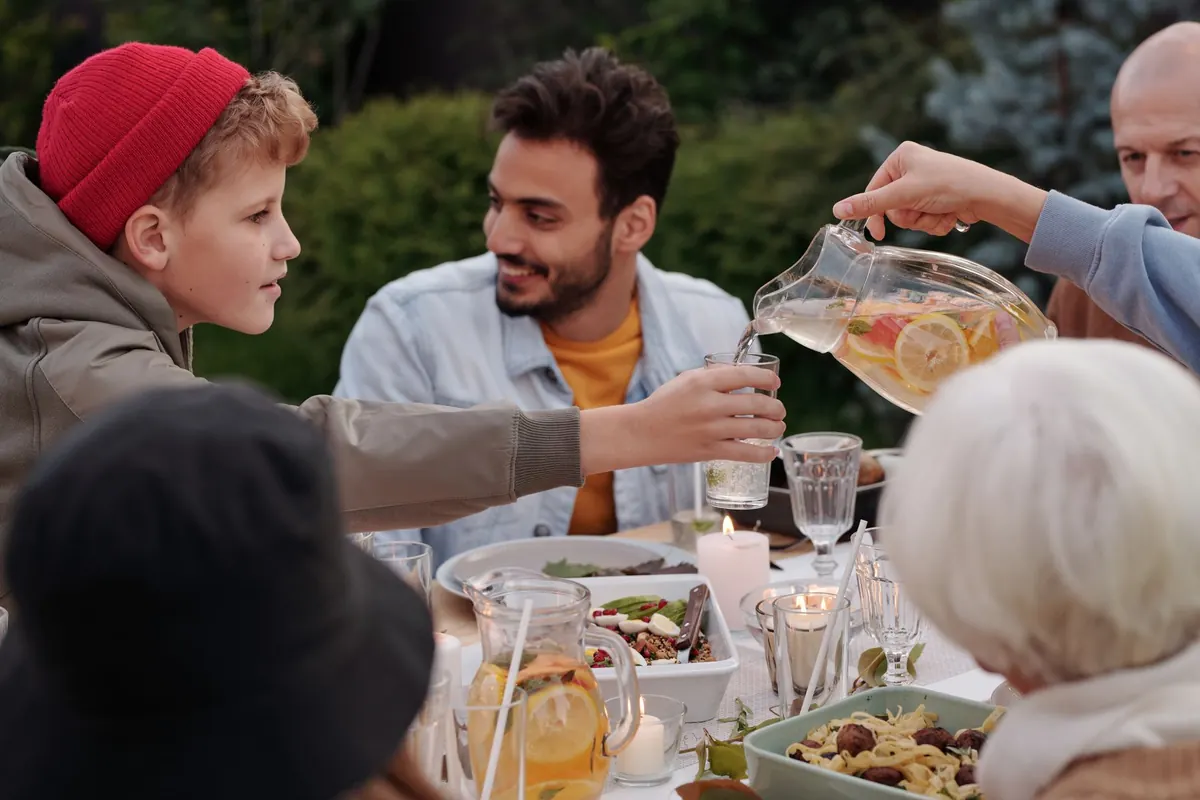
You do not need to cook three meals. You need one meal with parts that can be separated. Serve components in bowls in the middle of the table and let people take what they want, with sauces on the side. Keep one thing on the plate you know each person will eat—bread, fruit, rice, plain pasta. A child who is allowed to skip the beans and eat the rice is a child who does not turn dinner into a negotiation.
A word on safety: reheat leftovers until steaming hot, refrigerate what is left within about two hours, and check with your child's doctor about any allergy concerns before introducing a new ingredient to a young eater.
Some nights, fifteen minutes is still twelve minutes too many. Keep a no-cook fallback in the fridge: hummus, pita, cheese, carrot sticks, apple slices, hard-boiled eggs, a tin of sardines if your household is into that. Breakfast for dinner—eggs, toast, fruit—is a legitimate meal and has been served in good homes for generations. And cereal once in a while harms nobody.
The goal on a chaotic weeknight is not a beautiful plate. It is everyone fed, the kitchen not destroyed, and you sitting down before nine. Pick one formula, cook it badly but quickly, and call it done.
Photo: Askar Abayev / Pexels