Trending

Summer produce does most of the work at dinnertime. When tomatoes actually taste like tomatoes and corn needs nothing but butter, cooking gets shorter and plates get cleaner. This plan covers seven dinners built around what's overflowing at the market in July and August — zucchini, tomatoes, corn, peaches, cucumbers, peppers, basil — using one shopping trip and a bit of prep you can spread across the week. Every dinner has a swap, because the best meal plan is the one that survives a Tuesday.
Treat this as a starting point, not a law. If the farm stand has perfect green beans instead of zucchini, buy the beans. Buy the ripest thing in the largest quantity and build around it.
Two things worth buying in bulk: corn and tomatoes. Corn freezes well once you cut the kernels off, and a big pot of tomato sauce in August is a gift to your November self.
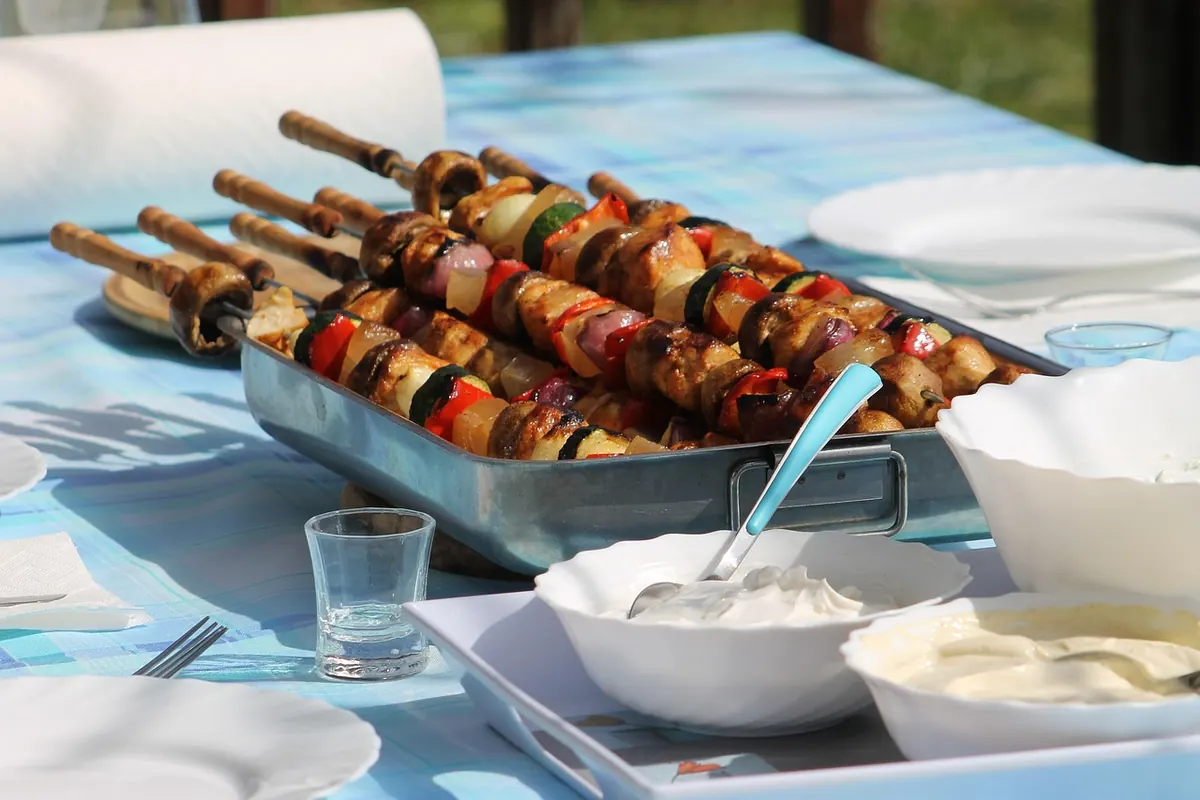
Cut chicken thighs and zucchini into similar-sized chunks, toss with olive oil, garlic, salt and lemon zest, and grill or broil until the zucchini is charred at the edges. Serve over couscous with a squeeze of lemon and crumbled feta. If skewers feel fussy on a Monday, cook everything flat on a sheet pan instead.
Boil pasta. In a wide pan, sauté zucchini coins in olive oil, add corn kernels and halved cherry tomatoes, and cook just until the tomatoes slump. Toss with the pasta, a splash of pasta water, torn basil and a handful of grated cheese. Add chickpeas for protein, or sliced sausage if that's what gets eaten.
Shred cabbage and dress it with lime juice, a little oil, salt and a pinch of sugar. Pan-sear fish in a hot skillet, warm the tortillas, and set out peaches diced with cilantro and lime. Let everyone build their own. Shrimp or leftover chicken works just as well here.
Sauté sliced squash and onion until soft, pour over eight beaten eggs with salt and herbs, and cook on the stovetop until the edges set before finishing under the broiler. Serve with corn on the cob and toast. It's dinner, it's fast, and cold leftovers make a genuinely good lunch.
Grill patties, or use crumbles formed into patties, and put out every topping you own: tomato slices, lettuce, pickles, sautéed onions, sliced cheese. On the side, a tomato-cucumber salad with vinegar and a pinch of salt. Salt the tomatoes ten minutes before serving — they taste twice as good.
Arrange cucumber, tomatoes, peppers, feta, chickpeas and olives on a platter instead of tossing everything together. Add toasted pita wedges and a yogurt-lemon dressing on the side. Kids tend to eat more when they can see each component, and adults can pile on everything at once.
Warm rice or couscous, then use up whatever is left: grilled chicken, roasted vegetables, the last of the corn, a spoonful of chickpeas. Finish with a tahini or yogurt sauce. If the fridge is empty, roast sausages with peppers, onions and small potatoes on one sheet pan instead.
Substitutions fail when they change the texture completely, so trade within a category. Zucchini swaps for green beans, broccoli or peppers. Peaches swap for nectarines, plums or mango. Couscous swaps for rice, orzo or quinoa. Fish swaps for shrimp, chicken or tofu. Feta swaps for goat cheese or cubed mozzarella. Cilantro swaps for parsley if your household thinks cilantro tastes like soap — it's a genetic thing, not a preference, and it's not worth arguing about.
One reliable rule: keep the sauce and the cooking method, change the vegetable. Grilled protein plus a sharp sauce plus whatever vegetable is best that week is a formula you can run all summer.
Set aside 40 minutes on Sunday or Monday. Cook a pot of rice or couscous, grill two extra chicken thighs, whisk a jar of vinaigrette, and wash and dry the produce. Store components separately, not mixed, so they stay flexible.
Serve components separately and let kids assemble their own plate. Taco night becomes tortilla, fish, slaw and peaches, arranged in bowls, and everyone takes what they want. Always include one thing you know they'll eat — bread, rice, corn, fruit — so no one leaves the table hungry and no one gets a separate meal. Offer new vegetables alongside familiar ones rather than instead of them, and keep portions small so a first try doesn't look like a punishment.
If allergies or dietary restrictions are part of your household, adjust proteins and dairy deliberately rather than assuming a swap is safe, and check labels on sauces and tortillas. For anything medical or allergy-related, follow the guidance of your pediatrician or dietitian.
You don't have to cook all seven. Pick four dinners, shop for those, and let the other nights be leftovers, takeout or scrambled eggs. After the week, note the two meals that disappeared fastest — that's your rotation for next week, with the season's produce doing the heavy lifting. Keep the list on your phone so Saturday's market trip takes ten minutes instead of an hour.
Photo: vargazs / Pixabay