Trending

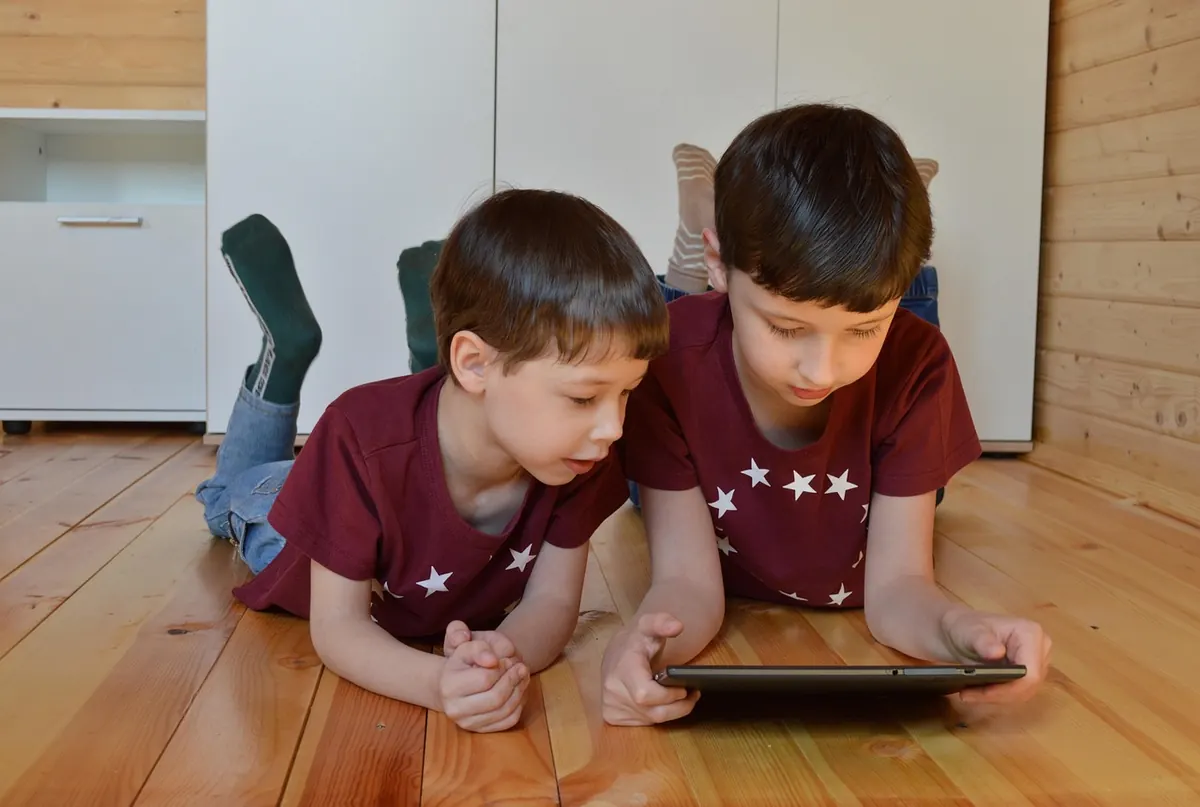
Your toddler finds the tablet before you find your coffee. She points, says one word, and waits. You have about four seconds to decide whether this becomes a negotiation or just part of the morning.
Screen time with toddlers is rarely really about screens. It's about transitions, expectations, and how much energy you have left at five in the afternoon. Limits only work when they're simple enough to survive a bad day. Here's how to set them without turning every handover into a standoff.
Most parents start by looking for a number. Widely shared guidance from pediatric health organizations suggests avoiding screens for children under 18 months, apart from video calls with family. From 18 months to two years, if screens appear at all, the advice leans toward high-quality content watched together. For ages two to five, roughly an hour a day of quality programming is the usual benchmark. Treat those as a starting point rather than a scorecard, and ask your pediatrician about your own child — especially if sleep, speech, or development is on your mind.
What matters more than the exact figure is whether you can hold it on an ordinary Tuesday. A strict twenty minutes that collapses by Wednesday teaches your toddler that limits are negotiable. A slightly generous thirty minutes that happens every day teaches the opposite. Write your number down where you'll see it, and name a separate category for exceptions: long car trips, a fever, the week you're solo parenting. Deciding in advance is what stops an exception from becoming the rule.
"Screen time" covers more than a show. Before you make rules, decide where you stand on the gray areas:
You don't need a perfect definition. You need one you can repeat in a single sentence while your toddler is shouting. "We watch one show after nap" is a rule. "Not too much screen time" isn't.
Toddlers handle limits better when they know what comes next. Screens that appear at random feel like a treat being taken away when they end. Screens that live in the same spot in the routine feel ordinary — and ordinary is the goal.
After nap. While you make dinner. Before the bath. Pick one slot and protect it. When your toddler asks at nine in the morning, the answer is calm and short: "Shows are after nap." You're not refusing the child; you're pointing at the schedule.
If screen time becomes the prize for good behavior, it grows in importance fast. Tying it to a fixed time of day keeps it from turning into currency you have to keep paying out.
A simple picture chart — nap, snack, show, outside, dinner — lets your toddler check the order themselves. Many parents find protests shrink once a child can see the show isn't gone, just later.
Most battles happen at the off-switch, not the on-switch. A few habits make the ending boring:
Your toddler will cry, stamp, or collapse when the screen goes off. That's normal. The goal isn't to avoid tears; it's to hold the limit without adding fuel to the fire. A few phrases help:
Stay boring. A calm, repetitive response works better than a long explanation. If you said one show, it's one show. You can always revisit the rule later, when everyone is calm. And if you have to carry a kicking toddler to the kitchen, that's not failure — that's just Tuesday.
Toddlers copy what we do. If you're scrolling at the table, your "no screens at meals" rule loses its weight. This doesn't mean you have to be perfect. It means being honest about your own screen use. Try narrating it: "I'm checking the weather, then I'm putting my phone away." Or make a show of putting it in a drawer during playtime. Your child learns more from what you do than from what you say.
There are days when the usual limits don't apply: illness, travel, a new baby, a move. Give yourself permission to have a "survival mode" and decide in advance how you'll return to normal. For example: "While you're sick, we can watch extra shows. When you're feeling better, we'll go back to one show after nap." The key is naming the exception so it doesn't become the new normal. Write it down if you need to. Then, when the crisis passes, expect a day or two of protest as you reset. That's normal, too.
Screen time limits aren't about being a perfect parent. They're about creating a predictable rhythm your toddler can trust — and one you can actually live with. Start small, stay consistent, and forgive yourself when the day goes sideways. Tomorrow is another chance to try again.
Photo: Sunriseforever / Pixabay