Trending

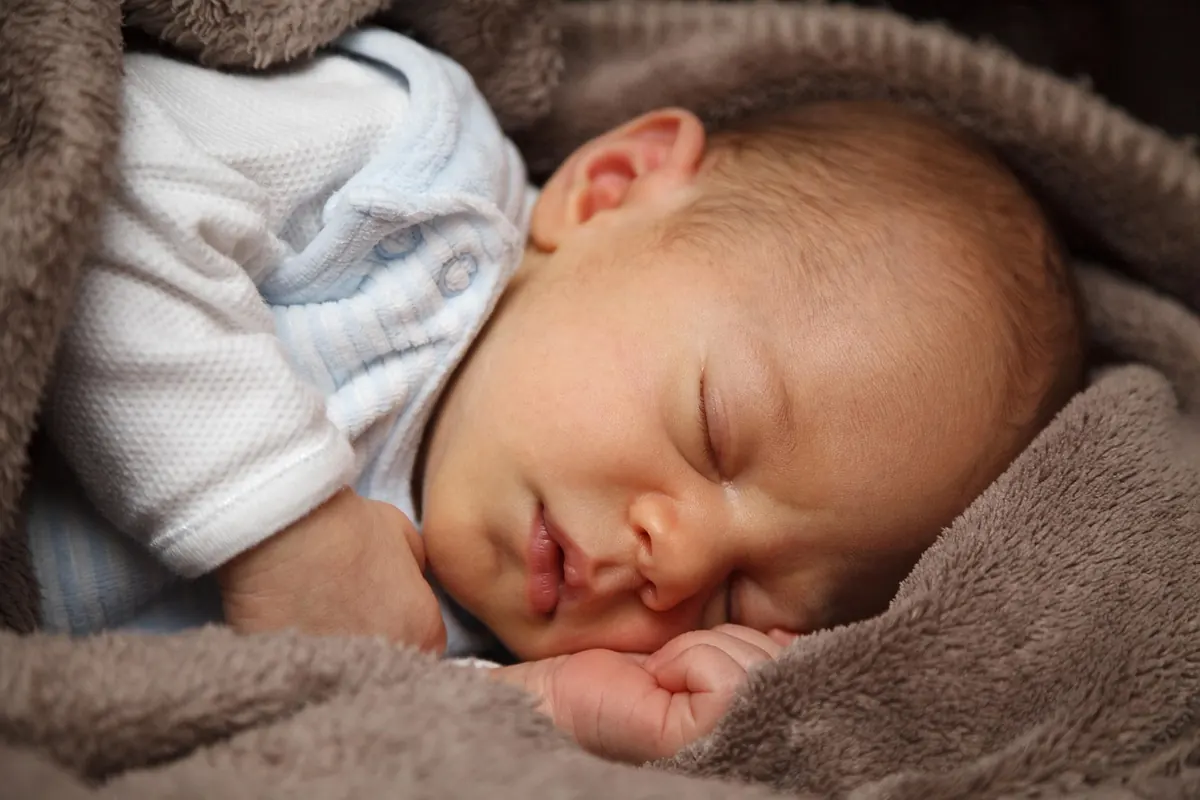
Three days, one small person, and an unreasonable amount of laundry. That is the honest shape of a potty training weekend. The families who come out the other side with something that looks like progress usually share two habits: they prepared before day one, and they expected accidents instead of treating each one as proof the plan failed.
A weekend plan is not magic and it is not a race. It is protected time at home, with the potty in sight and dozens of small chances to practise. For many children between roughly 20 months and three years, that concentration builds real momentum. For others it plants the idea, and the work plays out over the following weeks. Both count.
Before you clear the calendar, check where your child actually is. Training lands more easily when a few signs of readiness are in place. You do not need all of them, and you do not need a toddler who announces their plans in advance.
Three days will not usually solve nights. Nighttime dryness is a separate skill, tied to bladder capacity and body signals that mature on their own schedule. Treat naps and nights as their own project and keep using whatever protection you already use.
Most of the work happens in the two evenings before you begin. Pick a weekend when nobody is travelling and you are not hosting eight relatives. A long weekend helps, not because the third day is special, but because it gives you a buffer.
From the waist down, nothing. Bare legs make the cause and effect obvious: your child feels the urge, sees what happens, and connects the two. Keep the potty in the room where you are and offer drinks regularly so there is something to work with.
Sit your child on the potty every 20 to 30 minutes for two or three minutes, and always after meals, snacks, waking, and bath time. Say "time to sit" rather than asking whether they need to go, since most toddlers answer no regardless. Watch for the cues: sudden stillness, crouching, grabbing at themselves, a little dance.
Praise the sitting, not only the result. A child who gets a reaction for trying will keep trying. If nothing happens, shrug and move on. Never force a child to stay on the potty and never punish an accident, because both make the toilet something to resist.
Loose trousers, and for many children no underwear yet, since snug cotton can feel enough like a nappy that they stop noticing. Expect more accidents today than yesterday. That is information, not failure.
Practise pulling trousers up and down together, several times, when nobody is desperate. Then take one short outing: a walk around the block, fifteen or twenty minutes. Bring the travel potty and a change of clothes. Sit them on the potty before you leave and as soon as you get back.
Today is about the boring logistics that make the plan survive on Monday. A longer trip to the shops. A car ride. A sit on a real toilet with a seat reducer and feet supported on a stool so your child can push comfortably.
Show them how a public bathroom works before they need it: where to go, that it may be loud, that you will be right there. Teach wiping front to back and handwashing every time, even when the sit was a dud. Keep outings short and finish on a win.
Accidents are not setbacks. They are how a toddler learns what "I need to go" feels like five seconds before it happens. The real setbacks look different.
Many children wee on the potty happily for weeks before they will poo there. It feels different, often happens while standing or playing, and can be genuinely unsettling to release. Keep offering, keep the potty available after meals, and do not make a fuss when it lands in the pants. Tip the contents into the potty, let your child watch, and say, "Poo goes in the potty."
Keep a caddy in each bathroom and one in the car: wipes, spare bag, spare clothes, small towel. Deal with accidents calmly and quickly. A child who watches you get upset learns to hide accidents, which is far harder to fix than the accident itself.
If your child strains, cries, has painful bowel movements, or starts holding poo in, stop pushing and speak to your pediatrician or health visitor. Withholding is worth addressing early. The same goes if training has been consistently distressing for weeks, or if your child is under 18 months and shows no interest at all. There is no prize for finishing first, and a pause now often means a faster start later.
The weekend only proves the idea. Weekday routine is what makes it stick. Keep the schedule loose but the expectations steady: potty on waking, before leaving the house, after meals, before bath, before bed. Send spare clothes and a note to childcare explaining your words and your approach, and ask them to sit your child at the same times you do.
Expect at least one rough patch, often around week two, and don't read it as permanent regression. Travel, illness, a new sibling, or a growth spurt can knock things sideways for a few days. Go back to bare legs and frequent sits for a day or two, then carry on. Keep your tone matter-of-fact and the praise generous, and most children get there. Not in a weekend, necessarily, but soon enough.